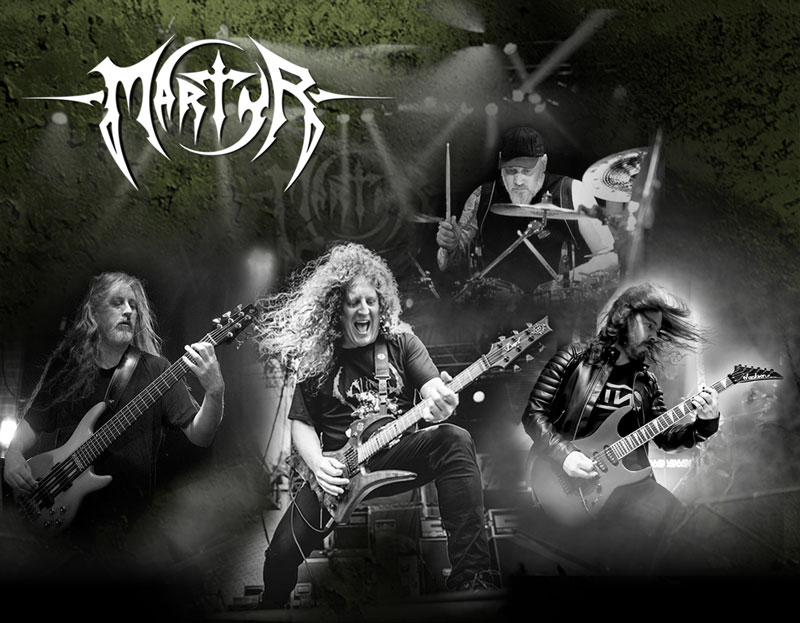
When Quebecois tech-death superheroes, Martyr quietly announced their return in 2023, the response wasn’t nearly as quiet. In fact, everyone who had been pining for the band’s brand of intricate, involved and thoughtful extremity since they initially disbanded in 2012 had their doldrums shaken off (by surprise mind you) came roaring out of the woodwork. Then, there were the loads of people who missed them the first time around who now had the chance to come around. Not to mention recent tech-death converts and those who were too young to experience the original edition of the band.
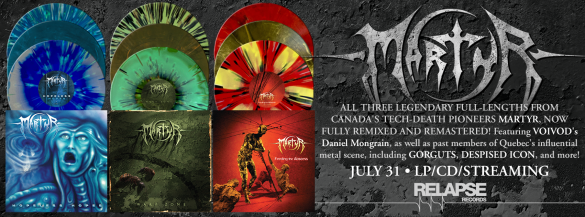
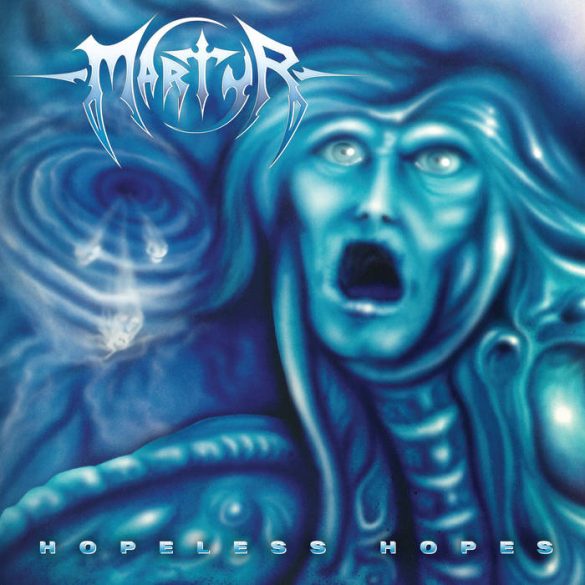
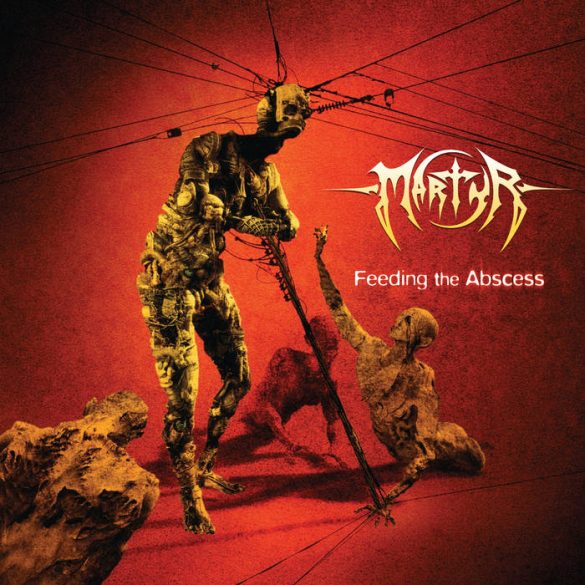
Following a smattering of festival appearances, opening and headlining spots throughout La Belle Province comes the Relapse-issued reissuing of the band’s three unsung masterstrokes: 1997’s Hopeless Hopes, 2000’s Warp Zone and 2006’s Feeding the Abscess. To celebrate these reissues and the reconvening of the band, we caught up with the Mongrain brothers — guitarist/vocalist Daniel and bassist/vocalist François (drummer Patrice Hamelin and guitarist Martin Carbonneau round out the lineup) — via email to ask all the important questions concerning the return of Martyr.
What sparked the idea for the reissues of the three albums?
Dan: Well, long story long, for ten years I just didn’t care about anything regarding Martyr, but during the pandemic I started to take responsibility, gathered the merch we had left, and started to make it available online. A guy running a music store in Winnipeg sent me a message saying he bought a warehouse left behind by a vinyl company which moved to another province and he realized he had 500 copies of our three albums. He suggested selling a part of them to us for a fair price. It was totally unexpected. Then, we put them online and, for me, they were the last ever copies that would ever exist. Never did I know that we would reform and play shows three years later. The reunion made some noise and we realized we were running out of CDs and vinyl. Forever. That’s the moment that I thought about it. I asked my friend Jeff Wagner if he had contacts and what label he thought Martyr would get a license deal with the catalogue. Relapse have always been good to us with distribution, and we almost had a record deal with them for the third album in 2006, but we wanted a license and they offered a record deal. We wanted to keep the rights on our masters at the time, so we passed. Twenty years later, we got in touch with the same people working there and could agree on giving new life to the albums. At first, we didn’t even know if we had all the files and separated tracks. But we found the two-inch tapes of Warp Zone, the ADAT cassettes of Hopeless Hopes and the hard drives for Feeding the Abscess. So, we could really revitalise, remix and remaster everything. That got me motivated a lot. I always thought Warp Zone could have sound way better, and there were (on the original mix) some guitar harmonies missing.We were very young back then, early 20s with no money and no studio time for the mix and I wanted to hear all of it. So it was all good news that Relapse were very excited in that project and so did we!
François: Warp Zone was the album we had always wished to remix, even back when it was first released, but we were almost certain the individual tracks had been lost. Although the overall sound was good, every time we listened to it we felt a certain frustration because many details were buried in the mix. This was largely due to the limited mixing time we had because of a very tight budget. When we found and restored the archived tapes, it felt like opening a time capsule. It was both fascinating and nostalgic to hear each individual part again after all these years. It also brought back some great memories from the studio sessions. Listening to the remixed Hopeless Hopes songs at RadicArt Studio alongside former members of Martyr was a real treat. For me, the remix gave Hopeless Hopes a tremendous boost in energy and aggressiveness. As for Feeding the Abscess, the approach was different. It was more about making adjustments and applying a few tricks to address certain production issues, while polishing the overall sound and giving it more weight, depth, and substance.
Had you noticed an uptick in interest in Martyr after Dan joined Voivod? People looking at the background of the “new guy” and wondering where he came from and all that sort of thing? Or had there been sustained interest in the band since the 2012 breakup?
Dan: Playing in other bands for sure draw some attention, but I can’t say if it really made a big difference. The crowd of Voivod is not in majority into what Martyr does. Some discovered and liked Martyr, but also I think a lot of bands were influenced by us and became pretty well known, like Revocation and Trivium, citing us as an influence. We were always a band’s band and musicians looked up to us. I know that for a fact. I think in the 12 years we didn’t play, the name grew more in popularity than while we were active. We became sort of a mystery, as very little footage of the 90’s and early 2000’s can be found on the net. (We found a lot of VHS tapes and will put some live footage online soon). One can’t deny that being out there touring and playing with other bands can trigger curiosity, but I think the albums speak for themselves. It’s good stuff and a niche group of people really dig it!
François: Daniel joining Voivod and Patrice touring with Gorguts, Beneath the Massacre, and Cephalic Carnage undoubtedly got some people talking and wondering what Martyr was all about. What surprised me most, however, was discovering how many people had kept the music alive during our years of inactivity, from longtime die-hard fans to younger listeners who weren’t even around when the albums were originally released. That was completely unexpected and very gratifying.
What caused that original break up? And what was behind the decision that brought you back to active duty?
Dan: We all were in our early 30s, life got in the way. I was studying music at university, got a lot of freelance gigs, played a bit in Gorguts and Cryptopsy, accompanied pop artists on TV and in studio, then a musical called Dracula, joined Voivod in 2008, and got a job as a music teacher at a college. Patrice had a young kid and started to play with Gorguts as well. Martin did a lot of gigs on his side. Francois studied graphic design as well as kinesiology at university. He also teaches judo and karate. With Martyr none of us could pay the bills. We got further from each other and we eventually realised it was over. The heart and the passion wasn’t there anymore, especially after giving everything we had and having so little recognition back in the day.
François: Looking back, we spent years pouring an enormous amount of time and energy into Martyr. Over time, frustrations, a gradual loss of passion, unmet expectations, tensions and diverging opinions slowly took their toll. By the end, I think we had all reached a breaking point, and the breakup felt inevitable. So, in 2012, I put everything Martyr along with my bass in a locked drawer and “lost” the key. I never expected to open it again. Too much pain. A decade passed. Then, around 2022, when a certain very persistent and stubborn local metal festival promoter named Dave — Hi Dave! Damn you Dave! — started pushing each of us for a reunion. I had to grab a crowbar and reluctantly pry open the drawer. It was a VERY difficult decision for me, but I couldn’t let Martyr come back to life without being part of it! For me, the preparation for the return was challenging, as I had barely played bass over the last ten years! Still, music never really left me — it had been ingrained in my life for so long, since a very young age. Once we started talking again and spending time together, we realised the connection was possible, and so was the chemistry.

With the band back, but everyone having different personal and professional lives, how much time and energy will be dedicated to Martyr? How are things going to be different this time around?
Dan: We don’t put pressure on it, we enjoy the time we spend together, we don’t have the ambition of becoming the next big thing…we are older, we have experience. We enjoy every rehearsal, every show like it could be the last. It’s great! It feels real again. Some of us barely talked to each other for 10 years. So it’s a great time for the four of us and even for the former members as we reached out to them for the remixes. It’s a celebration of life and what this band brought to us, in the end, it is very positive. It became some kind of a resilience situation.We realised nothing we did individually in life would have been the same without Martyr. And somewhat it is part of the core of our existence. Every one of us. It feels very good.
François: My studies are long behind me, I do some teaching and odd jobs, and I don’t have family obligations. My life is quite simple, just the essentials and I’m happy with that. As a result, I can dedicate time to the band’s behind-the-scenes tasks, such as merchandise management, administration, graphic design, and website work. Back then, those responsibilities often felt like a burden, but nowadays I actually enjoy them. There’s a lot less pressure. I see each rehearsal and show as a life experience. The enjoyment is real. Patrice and I meet weekly and rehearse drums and bass, not only keeping the shape but also having fun playing the songs. We never did that back then. And as a bonus it solidifies the rhythm section. Besides, for us both, it’s pretty much the only music project we have right now.
What have the reactions been like from the metal world about the return of Martyr? Would I wrong in assuming that the reaction has been more rabid and vociferous in Quebec than it has in other parts of the world?
Dan: Actually, at first when we put stuff for sale online in 2020, I got orders from everywhere in the world! I was very surprised! Then, when we announced the show of the reunion in 2023, the tickets sold in four days and the fest had only announced Martyr at the time. When our social media went live and we got tons of love from fans all over the world. We had people flying from France, the U.S., the farthest parts of Canada (Newfoundland, Vancouver), people from Toronto; we couldn’t believe it!! The thing also is that we ever played maybe only three shows in the U.S. and never played in Europe. We did only two Canadian tours, and played mostly the rest of the time in Quebec, so like I said earlier, we became kind of a mystery over the years. It grew and the main reason is the quality of the music, I think.
François: The reaction exceeded anything I could have expected. The reunion show was absolutely crazy on every level. The only downside was that the venue had reached its capacity and couldn’t let any more people in as it was jam-packed. More than anything, it showed us that our fans had remained loyal and that the music had continued to resonate with people over the years.
As far as Relapse was concerned, was it a difficult sell to convince an international label to reissue the catalogue of a band that was primarily focused and experienced its successes in Canada?
Dan: They were in right away, they were excited and we sorted it out pretty fast.We had everything to gain as I think we did all we could have ever done with those album by ourselves. When we started to see the end of the stock, I thought, “Now is the time to reach out and see what can happen.” We knew Rennie and Drew at Relapse for decades. Also we are good friends with Matt McMullin who was at Relapse at the time. It was very natural and exciting.
François: We had something of a waltz with Relapse and Martyr, as we had both been “flirting” since 1997 with the idea of a partnership, but it never materialised until now. And it is very exciting and promising! I recall meeting Matt McMullin at Milwaukee Metalfest at the Relapse booth in ’98 as he was already responsible for getting Hopeless Hopes into Relapse’s distribution catalog shortly after its release. As a matter of fact, he recently posted some kind words about our return on our social media. Working with Relapse has been very smooth. They are highly professional and very receptive to our vision, and I expect great things to come.
What is different about the reissued versions of the albums? How much has the original sound/production been overhauled? Are you using the original artwork(s))? Are there bonus tracks and liner notes included?
Dan: The main difference is the quality of the mixes. We asked our longtime friend Francis Perron at RadicArt Studio (who has recorded and mixed all the Voivod albums since 2014). We knew Francis in our late teens/early 20s as he had a metal band and we played shows together. He became a great sound engineer over the years. So it was only natural to ask him. He was stoked to do it! He always gives his best. So the remixes are a blessing because I always thought it could be way better with more time and budget and as of now new technology that we didn’t have back then. I would have never expected it could be enhanced as much as this. I was pretty proud of Hopeless Hopes cause it was recorded on 14 tracks and we improvised a studio in our mom’s basement. We were like 18-19 year-old kids. It sounded balanced and clear for the time being. I had mixed feelings with Warp Zone. I knew the music was good, but the mix never could match the quality of the music and performances. Nonetheless, it became our most popular album, but now….oh my god…. it sounds exactly as I imagined back then!! Even better! Punchy, precise, aggressive, clear. When I found the two-inch tapes, I had lots of doubts; I thought we only had the merged drums and rhythm guitars on it. But I went to a studio and cooked the tapes before transferring them on hard drive and we realised we had all the tracks!! I couldn’t believe it, it brought tears of joy to my eyes: at last we could, even if it was only for ourselves, remix it!!! I didn’t care if it didn’t come out; I would have paid with my own money to have it for myself. Listening to us playing at 23-25 years old, like a time capsule, what a trip! As for Feeding the Abscess, I thought it sounded great and very precise, but lacked a bit of life. It was too polished. So we went for giving back its organic vibe. Unfortunately we weren’t able to find the original drum sounds, as it was sound replaced by samples of the studio drums in the process which was a very bad idea, but common practice in 2005. Sometimes you gotta listen to your gut feelings and stick to your own rules.We learned from that mistake. But other than that, the other sources were intact and we approached the mix to give it a bit more warmth.
François: We also revisited the visual presentation in collaboration with Relapse’s graphic design department, with the same care that went into the audio restoration. The goal wasn’t to reinvent the albums but to refresh them in the best possible way while respecting their original identity and the artists’ artworks. Although we opted to not include the old demo tracks from the previous editions, we may eventually put these available on our streaming platforms.
What is your opinion about Martyr’s legacy to the broader pantheon of metal and technical death metal? What do you feel the band did differently and contributed to the world of metal?
Dan: That is very difficult to say, and it might not be for me to say or have an opinion on it. I think this band made good music and that this music lives on through fans that were curious enough to discover it. It influenced some musicians who became bands and some of them went on to very actively tour the world. It became its own thing, a bit of a cult band, obscure but very valuable. I think it touched enough people for me to say that we accomplished something good with it. There is nothing negative about it. It opened the door to us for playing in other bands as well, In Quebec, Martyr’s musicianship was THE reference for other band’s to ask for subbing for a tour or an album. They knew we could play anything. That also has value. A lot of roots grew from the Martyr core and that makes me proud.
François: When composing music, we weren’t thinking about influence, recognition, or any other external factors. We were just trying to bring out the music we heard in our heads and express our emotions through it. The same goes for the lyrics (at least we tried hard, being Francophone, some stuff may have been lost in translation, haha!). The only other questions I asked myself were: if I heard this music for the first time, would I like it? Would I get bored? Would it make me want to headbang against a concrete wall? Those kinds of questions. But finding out that Martyr has inspired other musicians is probably one of the greatest compliments we could get, along with knowing what our music means to the fans.
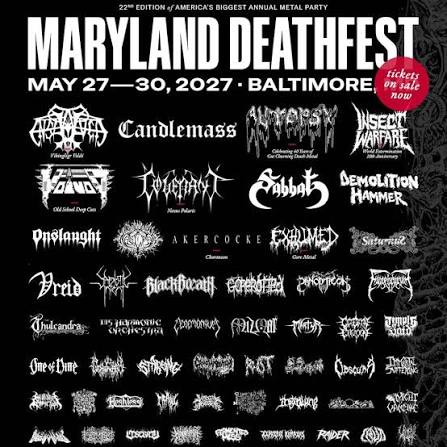
(On top of all that, Martyr are among the first wave of bands confirmed for MDF 2027!)
What would you say were some of the biggest lessons you learned from Martyr’s original run that you were able to successfully apply to your post-Martyr musical projects and personal lives? How much and what sort of impact did the band have on you?
Dan: Good question. For me it would be to develop my patience, to moderate my ambitions, to be a better team player and be a better ear. Resolve tensions that can grow out of proportions. When we started Martyr, I was 14 and my brother was barely 16. We learned life through it, two kids growing in a family dealing with violence and mental sickness. Martyr was a refuge, an escape, a place to focus and develop, to grow, to learn from our mistakes on a personal and professional level. It taught us everything. And now, at last, we can apply what we learned from it. This reunion is a blessing on all levels, especially on the human level.
François: I learn to better prioritise, letting go of some stuff, and accepting that everyone has its own personality, quirks, goals and limits. The music is important, but what matters most to me is that we overcame difficulties, found our way back, and are able to enjoy this part of our lives.
Will there be new material or a new album?
Dan: Never say never.
The Martyr reissues are available July 31st. For info about ordering, vinyl variants and other merch, check out Relapse